
Share this
by Tee Dang Mankiewicz on Feb 16, 2026 3:14:37 PM
Caregivers are the foundation of modern healthcare systems, providing hands-on support to vulnerable individuals across diverse settings. This includes professional home care aides assisting with daily living activities, nursing home staff managing chronic conditions, hospice workers offering end-of-life comfort, and assisted living personnel fostering independence, and even family caregivers employed in formal roles under agency supervision.
These dedicated professionals ensure dignity, safety, and quality of life for aging adults, people with disabilities, and recovering patients. In 2026, compliance training has become essential in the healthcare and caregiving industry. Stricter regulations from health authorities demand rigorous adherence, while elevated reporting standards expose gaps in real time. Rising elder abuse cases underscore the need for proactive safeguarding.
The shift to digital documentation introduces cybersecurity risks, and the expansion of telehealth raises privacy challenges under frameworks such as HIPAA and GDPR. Non-compliance can lead to hefty fines, license revocation, or legal action, putting both caregivers and organizations at risk. The following guide empowers caregiving organizations and individuals to identify the best compliance courses for staying safe, legally compliant, and highly employable.
Whether onboarding new hires or refreshing annual certifications, these recommendations prioritize practical, up-to-date training. These are especially relevant for organizations using modern LMS platforms like Brasstacks, which deliver trackable, mobile-friendly modules tailored to shift-based schedules and a modern workforce.
What is Compliance Training for Caregivers?
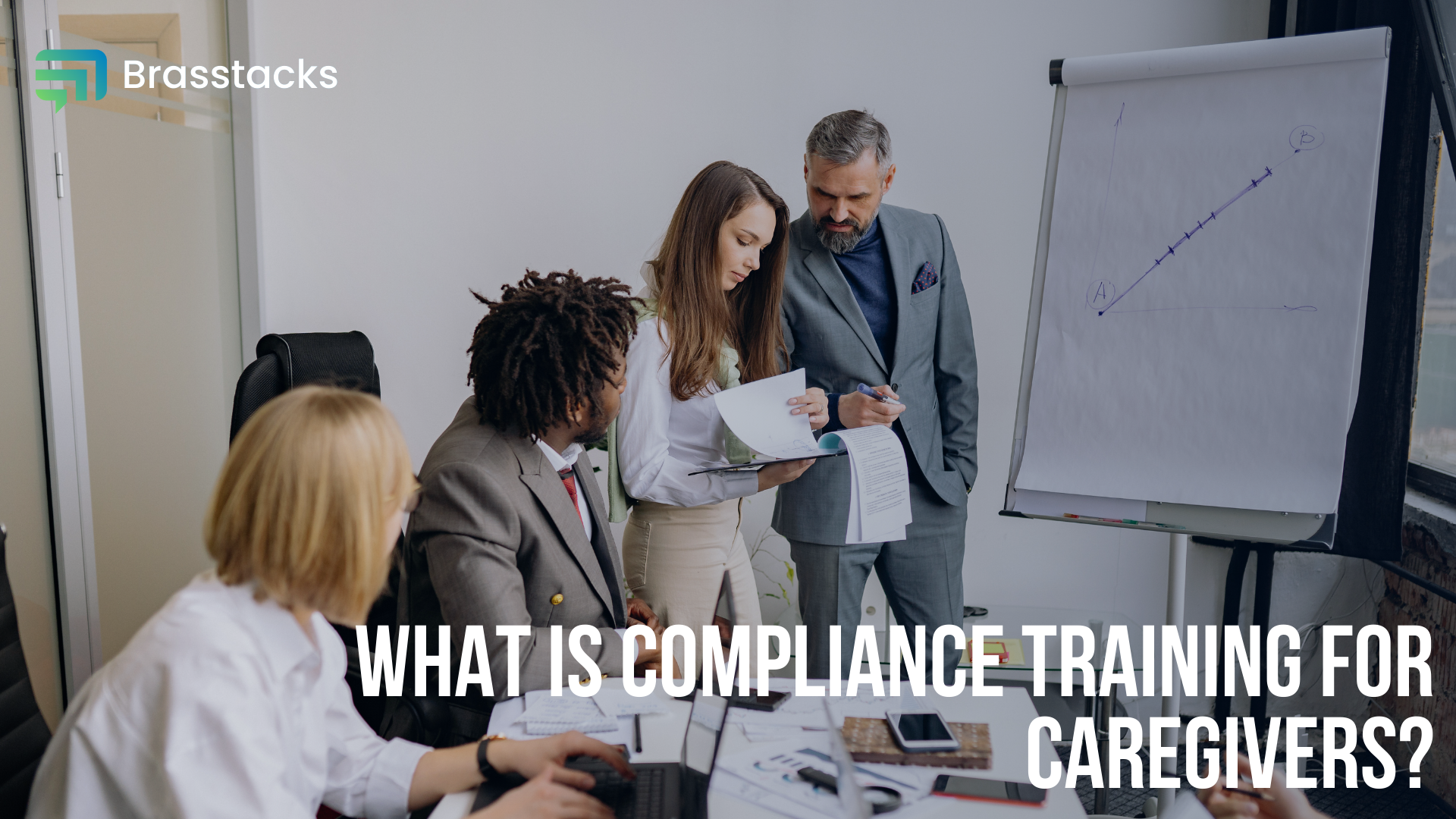
Compliance training for caregivers equips frontline workers with the knowledge and skills to meet legal, ethical, and organizational standards in their daily roles. Unlike generic employee training, caregiver compliance focuses on protecting vulnerable patients, Unlike generic employee training, caregiver compliance focuses on protecting vulnerable patients; elderly adults, individuals with disabilities, or those recovering from illness while safeguarding the caregiver and their employer from liability.
The training covers everything from infection control protocols to privacy laws, ensuring caregivers deliver safe, ethical care in high-stakes environments like home care, nursing homes, and hospices. There are many LMSs that are recommended for compliance training, such as Brasstacks LMS and many more. Sign up for a demo now.
Legal and Regulatory Compliance: Government and Health Authority Requirements
Legal compliance refers to mandatory standards set by government bodies and health authorities, such as OSHA workplace safety rules, HIPAA privacy regulations, or state-specific caregiver certification requirements. These ensure caregivers follow evidence-based practices for patient safety, such as proper hand hygiene to prevent infections and fall-prevention techniques during transfers.
Failure in compliance training triggers fines, license suspensions, or criminal charges, making online compliance certification courses essential for staying current.
Organizational and Commercial Compliance
Organizational compliance involves internal policies from agencies, hospitals, or home care providers. This includes protocols for medication administration, incident reporting, and equipment use specific to the employer.
For instance, a home care agency might require caregivers to log visits via a secure app, in line with its operational standards. Corporate compliance training courses help standardize these practices across teams, mitigating errors and supporting audit readiness.
Ethical Compliance
Ethical compliance emphasizes patient-centered values like dignity, confidentiality, and non-discrimination. Caregivers learn to respect autonomy, maintain privacy during personal tasks, and provide culturally relevant support. It prevents emotional harm and builds trust, often covered in ethics and compliance training programs.
The Impact of Non-Compliance on Organizations
Ignoring compliance can lead to devastating outcomes. Consider a medication error: a caregiver administers the wrong dosage due to skipped training, causing severe hospitalization. Or a privacy breach, such as sharing patient details on social media, violates HIPAA compliance training certification standards, resulting in lawsuits. An unsafe transfer without proper documentation might injure both patient and caregiver, highlighting gaps in workplace safety compliance training.
In 2026, caregiver compliance reaches a turning point. With employee compliance training trends accelerating – driven by AI-monitored audits, telehealth expansion, and rising litigation, staying ahead isn’t a choice.
Why Caregiver Compliance Training is Critical in 2026?
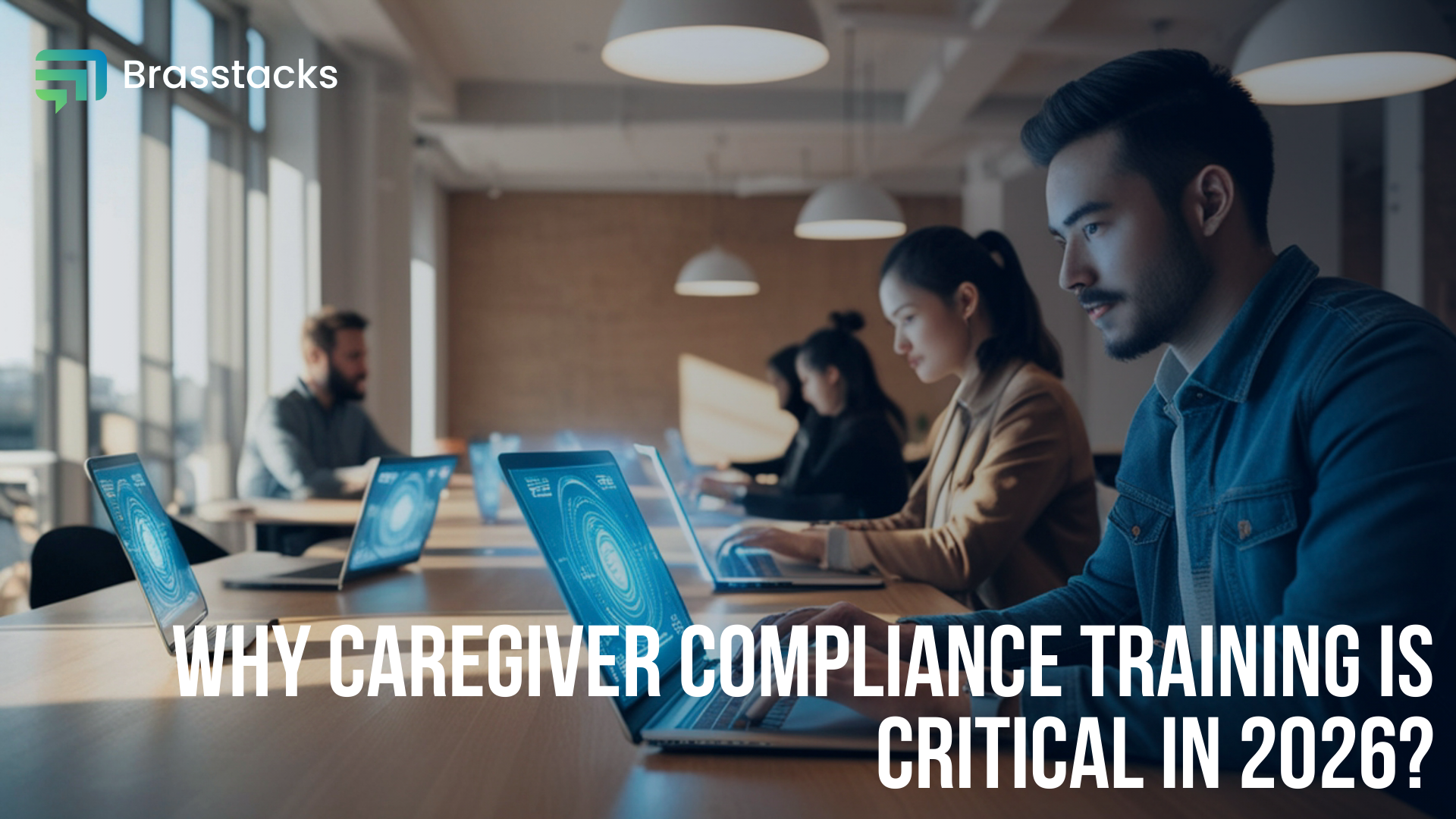
In 2026, the caregiving landscape has evolved, amplifying the stakes for compliance training programs. The aging population is projected to reach 1.6 billion people by 2030, meaning more individuals with complex, high acuity needs are receiving care at home rather than in facilities. Caregivers now manage chronic conditions like dementia, diabetes, and post-surgical recovery in unpredictable environments, increasing risks of falls, infections, and medication errors without institutional safeguards.
These challenges are further exacerbated by the rapid technological integration. Electronic Health Records (EHRs), telehealth platforms, and mobile apps for shift logging demand data privacy compliance courses to counter rising cyber threats. A single breach, such as unsecured patient videos shared via personal devices, can expose sensitive health data, triggering multimillion-dollar fines under HIPAA or GDPR equivalents.
Regulators and insurers have responded with unprecedented scrutiny. Stringent monitoring includes AI-driven audits, mandatory incident reporting within 24 hours, and real-time compliance dashboards for payers. Home care agencies experience hefty penalties for even minor lapses, like incomplete fall-risk assessments, pushing workplace compliance training to the forefront.
Key Benefits of Compliance Training in Caregiving Organizations
Investing in top compliance training courses yields measurable returns, such as:
- Reduced Legal and Financial Risk: Proactive training cuts incident rates by up to 40%, minimizing lawsuits, fines, and insurance premiums.
- Improved Patient Safety and Satisfaction through standardized protocols to enhance outcomes. Trained caregivers are 25% less likely to cause harm, boosting the agency’s Net Promoter Scores.
- Higher Trust with Families and Communities: Transparent compliance records reassure families, reducing churn and enhancing referrals.
- Stronger Employer Brand and Retention: Caregivers value employers prioritizing safety; compliance-focused training improves retention by 30%, amid a global shortage.
Structured LMS platforms like Brasstacks supercharge these benefits. They provide audit-ready records of completions, automated reminders for recertifications, and customizable dashboards showing team-wide compliance status. Organizations can generate reports proving adherence during inspections, while caregivers access self-paced compliance training courses on mobile devices, perfect for shift workers.
The trackability transforms compliance from a checkbox into a strategic advantage, ensuring employee compliance training programs evolve with 2026’s demands.
Core Compliance Courses for Caregivers in 2026
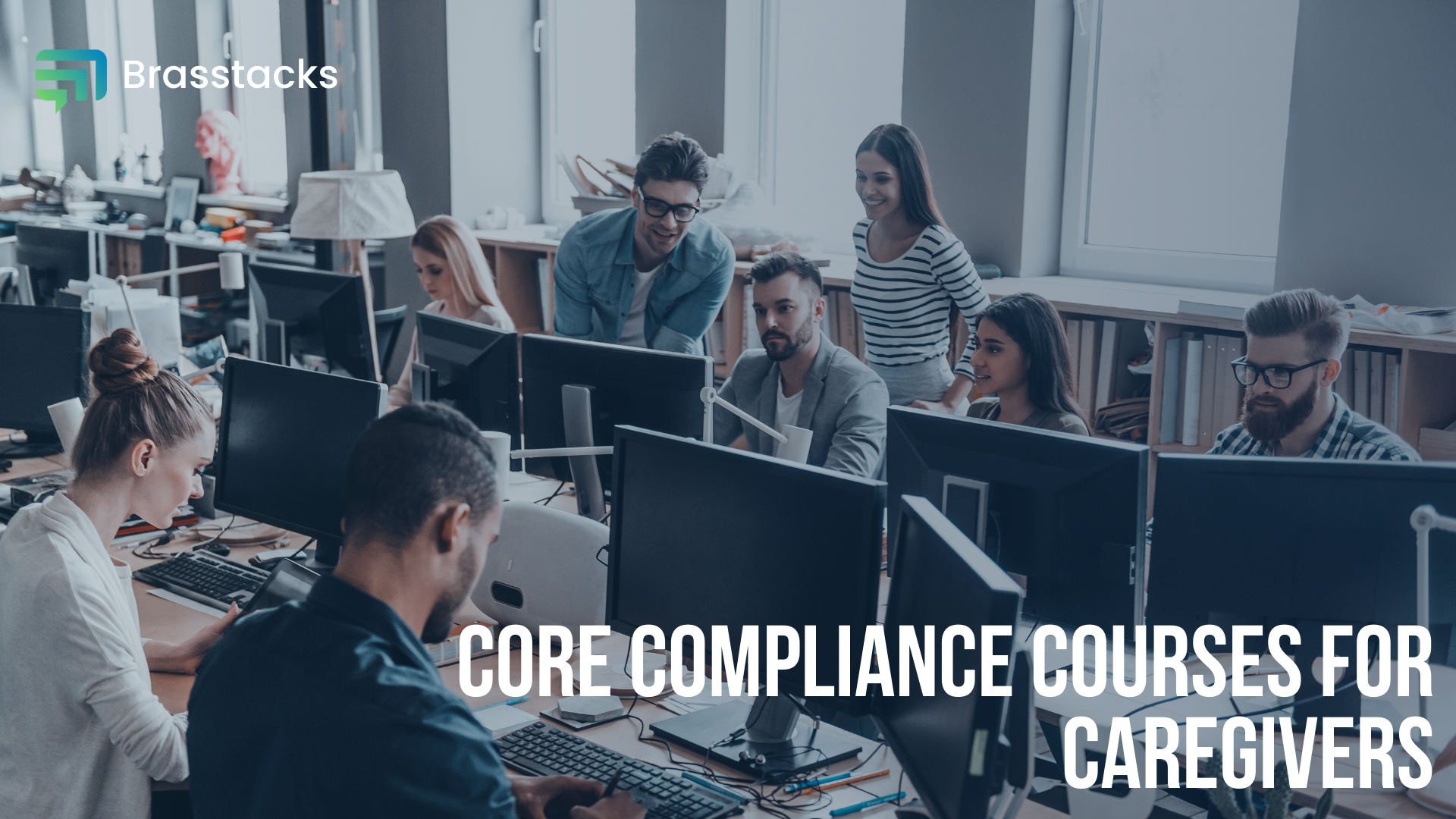
Evaluating the best compliance courses for caregivers starts with understanding the foundational topics every frontline worker must master. These core areas form the foundation of safe, ethical care, addressing the most common risks in home care, nursing homes, and hospices. Top compliance training programs bundle these courses, ensuring caregivers aren’t just checking boxes but building real-world competence.
Patient Safety and Infection Control
Hand hygiene remains the cornerstone because proper techniques reduce infections by 50%. Caregivers learn PPE use (gloves, masks, gowns), isolation precautions for contagious illnesses, and fall prevention strategies like bed alarms and mobility aids. Post-pandemic, with vulnerable populations like immunocompromised elders at home, these skills prevent outbreaks and save lives.
Medication Management and Administration
Safe basic includes the “five rights” (right patient, drug, dose, route, time), precise documentation, side effect recognition, and error reporting. Caregivers follow delegation protocols from nurses, staying within the scope of practice to avoid overstepping into licensed tasks. Medication administration compliance courses emphasize double-checks, especially in the home without pharmacy oversight.
Privacy, Confidentiality, and Data Protection
HIPAA compliance training certification principles protect data in paper charts and digital apps; no sharing without consent. Caregivers handle family inquiries discreetly, avoid social media posts about patients, and use secure messaging apps. Breaches erode trust and invite fines, making vigilance essential.
Abuse, Neglect, and Safeguarding
Spot signs of physical abuse (bruises, malnutrition), emotional cues (withdrawal), and financial red flags (unexplained withdrawals). Mandatory reporting requires immediate documentation and escalation to supervisors or authorities. Professional boundaries prevent exploitation, covered in abuse prevention training modules.
Health and Safety in the Workplace
Workplace safety compliance training teaches safe patient handling (transfer belts, gait techniques) to avoid back injuries, fire safety drills, emergency evacuations, and hazard spotting (cluttered homes). Lone workers in home visits learn personal safety checks and GPS check-ins.
Ethics, Professional Conduct, and Cultural Sensitivity
Respect autonomy through informed consent, uphold dignity in personal care, and embrace diversity, adapting to cultural food preferences, religious rituals, or language needs via interpreters. Ethics and compliance training programs foster empathy, reducing organizational conflicts.
Documentation and Reporting
Timely, objective records, such as "Patient refused AM meds," feed into care plans. Incident reports follow clear escalation protocols, with root-cause analysis to prevent repeats.
The best compliance courses integrate these topics holistically, not siloed modules but interconnected learning paths like “Safeguarding through documentation.” This approach equips caregivers for complex scenarios, aligning with employee compliance training trends for modular, scenario-based learning.
Key Features of the Best Compliance Courses for Caregivers in 2026
When evaluating the best compliance training courses for caregivers, care providers need a clear checklist. The top programs go beyond basic content, incorporating features that drive engagement, retention, and measurable outcomes. These align seamlessly with modern LMS platforms like Brasstacks, enabling scalable, trackable delivery tailored to shift-based workforces. Here are the key features of the best compliance courses:
Latest & Regionally Relevant Content
Courses must reflect contemporary laws, guidelines, and standards such as updated HIPAA rules or local elder care regulations. Quarterly content refreshes ensure relevance, preventing outdated training that fails audits.
Caregiver-Specific Compliance Modules
Personalized modules are essential for organizational growth. The best compliance training programs use realistic scenarios from home care (for instance, managing a fall in a cluttered apartment), long-term care facilities (restraint policies), and community settings to build practical skills over theory.
Microlearning Structure
Short, 5-15 minute lessons fit around coffee breaks with personalized modular paths for easy assignments and refreshers. Care managers can mix-and-match topics like infection control or documentation supporting self-paced compliance training courses.
Interactive and Scenario-Based Learning
Engage learners with case studies, branching scenarios (such as “What do you do if a patient refuses medication?”), role-play simulations, and gamified quizzes. It will boost knowledge retention by 75% compared to passive video.
Mobile-Friendly and Accessible Design
Responsive interfaces work on any device, whether offline/low-bandwidth options for rural home visits and WCAG-aligned accessibility (screen readers, captions) to include all caregivers.
Certification, Tracking, and Reporting
Generate instant completion certificates, maintain audit-ready records, and provide manager dashboards showing team compliance rates. Platforms like Brasstacks LMS export reports for regulators.
Built-In Assessments and Refresher Cycles
Embedded quizzes validate learning with automated reminders for annual recertification. Adaptive paths reteach weak areas based on scores and help the employees grow confidently.
Multi-Language Support for Diverse Teams
Translating the compliance courses in Spanish, Mandarin, Arabic, and more, accommodates global caregiver workforces with voiceovers to address the low-literacy users.
Recommended Compliance Courses for Caregivers in 2026
To select the best compliance courses for caregivers, you must think in terms of course types rather than brands. These categories give care organizations a structure they can easily deliver through an LMS like Brasstacks, grouping modules into clear learning paths for different caregiver roles and risk levels.
Mandatory Baseline Compliance Bundle
This is the non-negotiable starting point for every caregiver entering your organization. A strong baseline bundle typically includes infection control, privacy and confidentiality, safeguarding, and basic workplace safety modules, mirroring what many caregiver platforms treat as core requirements for onboarding and annual training.
All new caregivers, agency staff in client-facing roles, and volunteers who provide direct care should complete this path at hire and then at least once a year. A platform like Brasstacks LMS can assign this bundle automatically at onboarding, set annual renewal dates, and track completion in real time through dashboards and digital training logs.
Advanced Clinical Compliance Courses
Advanced clinical compliance is designed for caregivers working with higher-acuity clients in home care, nursing homes, and hospital step-down units. These courses cover topics such as safety, medication administration, pressure injury prevention, dementia care safety, and safe feeding and swallowing; areas frequently included in specialized caregiver certifications and CEU series.
They are most relevant for senior caregivers, lead aides, and those supporting complex medical needs under nurse delegation. An LMS pathway can segment these by role and risk: for instance, only caregivers assigned to dementia or post-surgical clients see advanced modules, while others stay with the baseline set. It keeps training programs targeted and efficient.
Specialized Compliance Courses
Different care environments carry distinct risk profiles, so setting-specific compliance courses are essential:
- Home care and community caregiving: lone worker safety, visiting high-risk neighbourhoods, and home environment risk assessment align with requirements that many home care agencies now emphasize for compliance and liability reduction.
- Residential and long-term care: restraint policies, wandering risk management, emergency evacuation, and disaster planning are common in residential compliance bundles.
- Hospice and palliative care: ethics, communication with families, and end-of-life decision-making support both regulatory and quality standards in serious-illness care.
Brasstacks LMS presents these streams as different tracks or catalogues, such as Home Care, Long-Term Care, Hospice, so organizations assign the right track based on location or client type.
Digital and Data Compliance for Caregivers
As EHRs, telehealth, and mobile care apps become standard, digital and data compliance has shifted from “nice-to-have” to mandatory. Compliance themes include EHR use, encrypted messaging, telehealth etiquette, informed consent in virtual visits, and basic cybersecurity, such as device security and phishing awareness.
Many newer telehealth law and ethics courses specifically combine HIPAA, privacy rules, and digital risk management, reflecting regulators’ growing focus on virtual care. In 2026, any caregiver who documents digitally, joins video visits, or uses agency apps should complete this category with LMS-driven recertifications to keep pace with evolving regulations.
Soft Skills Related Compliance Courses
Soft skills directly impact compliance outcomes, which is why many caregiver training bundles now include technical content with behavioral modules. Courses on communication, de-escalation, conflict resolution, cultural sensitivity, and documentation etiquette help prevent situations that escalate into complaints, incidents, or investigations. For instance, better communication can defuse family frustration before it results in a formal grievance, while strong documentation habits support the organization during audits.
Brasstacks LMS offers these soft-skills courses in each pathway, for instance, adding “conflict resolution in home care.” It helps in creating more holistic, outcome-focused learning journeys. Taken together, these five course types form a comprehensive compliance curriculum for 2026. The most effective compliance programs prioritize a structured mix of baseline, advanced, setting-specific, digital, and soft-skills training, delivered through trackable LMS paths that safeguard both caregivers and organizations.
How to Choose the Right Compliance Courses for Caregivers?
Selecting the right compliance training courses for caregivers is a strategic decision that affects safety, audit readiness, and staff retention. For care agencies, facilities, and training managers, a structured approach ensures your curriculum aligns with regulations while fitting real-world caregiving demands. Here’s a step-by-step guide on how to choose the right compliance courses for caregivers:
Step 1: Assess Regulatory and Contractual Requirements
Begin with the non-negotiables. Map national and regional compliance laws, state training mandates, and accreditation standards that apply to your services. For instance, state-specific caregiver-hour requirements, HIPAA/OSHA expectations, and CMS conditions of participation, where relevant. Include insurer and long-term care policy requirements, which often specify minimum caregiver training hours or certifications before they reimburse services. This gives you a baseline list of “must-cover” topics and recertification timelines.
Step 2: Map Caregiver Roles and Risk Levels
Next, segment your workforce into different categories such as home support workers, nursing aides, and specialized caregivers (e.g., dementia or hospice specialists). The categories will help in identifying different risk profiles and learning paths. An LMS like Brasstacks can help in creating role-based learning paths such as “Home Care Essentials,” “Memory Care Compliance,” or “High-Acuity Home Health,” and auto-assign courses based on job title, location, or client type.
Step 3: Identify Existing Gaps and Incident Trends
Review incident reports, audit findings, and client or family complaints to see where things go wrong most often. Common patterns include documentation errors, missed infection control steps, or communication issues with families. Staff surveys and supervisor feedback can highlight perceived gaps, helping you prioritize course types that directly reduce real-world incidents.
Step 4: Evaluate Course Quality and Vendor/LMS
Every caregiver compliance course is different from others. Look for accredited, clinically sound content with clear learning objectives, up-to-date regulations, and scenario-based content designed to be tailored to caregiving, not generic corporate compliance. Evaluate LMS capabilities such as tracking, real-time reporting, certificate management, integrations with HR/EHR systems, and mobile friendliness; the features highlighted as essential for healthcare compliance platforms like Brasstacks.
Step 5: Plan Onboarding and Annual Refresher Strategy
Design an onboarding bundle that every new caregiver must complete before independent work, covering baseline compliance topics and any state-mandated hours. Layer in annual recertification modules for infection control, privacy, and safety, plus just-in-time micro courses when policies or regulations change. LMS automations (reminders, expiry tracking, re-enrollment rules) keep this manageable at scale.
Step 6: Involve Caregivers in Feedback Loops
Finally, treat compliance training as a living and iterative system. Use course-ratings, short pulse surveys, and focus groups to learn what’s working and where content feels outdated or unclear. The feedback helps you refine modules, add missing scenarios, and keep the curriculum practical. An LMS like Brasstacks can combine qualitative input with analytics on completion rates and assessment scores to continuously optimize its caregiver compliance training program.
Frequently Asked Questions
What compliance courses are mandatory for caregivers?
Mandatory courses usually include infection control, privacy and confidentiality, safeguarding (abuse and neglect), and basic workplace safety. Depending on your region, regulators and insurers may also require specific hours or certifications in areas like medication assistance, dementia care, or CPR/first aid. Always check national/regional laws, as well as your agency’s contractual obligations, to confirm what is mandatory.
How often should caregivers complete compliance training and refreshers?
Most organizations require core compliance training at onboarding and annually on topics such as infection control, privacy, and safety. Higher risk areas, such as medication administration or telehealth/data protection, may need more frequent refreshers, especially when regulations or internal policies change. Modern LMS platforms can automate reminders and re-enroll caregivers before certifications expire.
What’s the difference between basic and advanced caregiver compliance courses?
Basic compliance courses focus on universal topics every caregiver needs: infection prevention, safeguarding, confidentiality, and general health and safety. Advanced clinical compliance is designed for caregivers working with higher-acuity clients and covers topics such as pressure injury prevention, dementia care safety, and safe feeding and swallowing. Choosing the right level depends on the caregiver’s role, setting, and risk profile.
Why use an LMS like Brasstacks for caregiver compliance training?
An LMS centralizes all compliance courses, makes them accessible on mobile devices, and tracks compliance in real time. For managers, it provides dashboards, reports, and automated reminders that simplify audits and accreditation processes. For caregivers, it enables self-paced, microlearning-style modules that fit around shifts and support consistent, up-to-date training across locations.
Conclusion
In 2026, caregiver compliance training sits at the center of safe, ethical, and legally dignified care. A growing older population, more complex needs in home and community settings, and the rapid expansion of digital tools and telehealth have raised both the risks and expectations placed on caregivers. The most effective programs now go beyond one-off courses and focus on structured learning paths that blend legal, organizational, and ethical requirements with real-world caregiving scenarios.
The strongest compliance curricula cover seven core topic areas: patient safety and infection control, medication management, privacy and data protection, abuse and safeguarding, workplace safety, ethics and cultural competence, and accurate documentation. From there, organizations can build out course types such as baseline bundles, advanced clinical paths, setting-specific modules, digital/data compliance, and soft-skills linked training that match distinct roles and risk levels. Choosing the right mix means starting from regulatory requirements, mapping roles, reviewing incident trends, and then layering high-quality content onto a modern LMS.
Platforms like Brasstacks enable agencies and facilities to turn this strategy into daily practice through centralized catalogs, automated assignments, reminders, and audit-ready reporting. When caregivers receive timely, relevant, and engaging compliance training, everyone benefits: clients are safer, families are more confident, organizations are better protected, and caregivers themselves feel more competent, supported, and employable in a demanding field.